

The Future of Interior Design: Design Trends That Are Here to Stay for 2026
When people ask me about the future of interior design, they are usually looking for what’s new. What’s next. What’s about to have its moment. But the truth is, the most important shifts happening in design right now have very little to do with trends in the traditional sense.
At Semmelmann Interiors, we don’t design for what photographs well in a single season. We design for how people live over time. As we look ahead to 2026, the design trends that will truly last are rooted in purpose, emotion, and intention. Because beautiful homes without purpose feel empty.
These are the design trends I believe are not only shaping the future of interior design, but are here to stay.
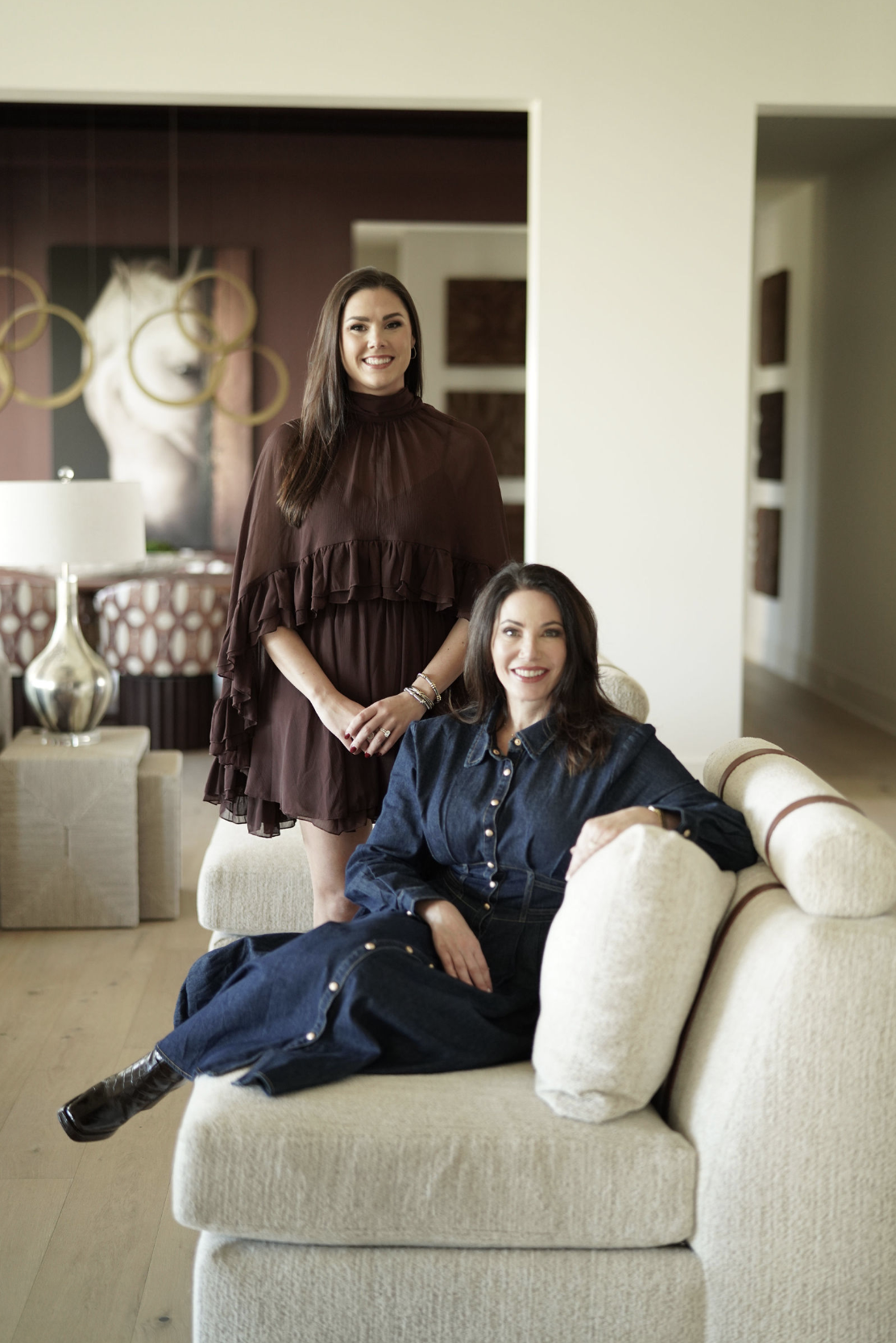
Emotionally Grounded Design
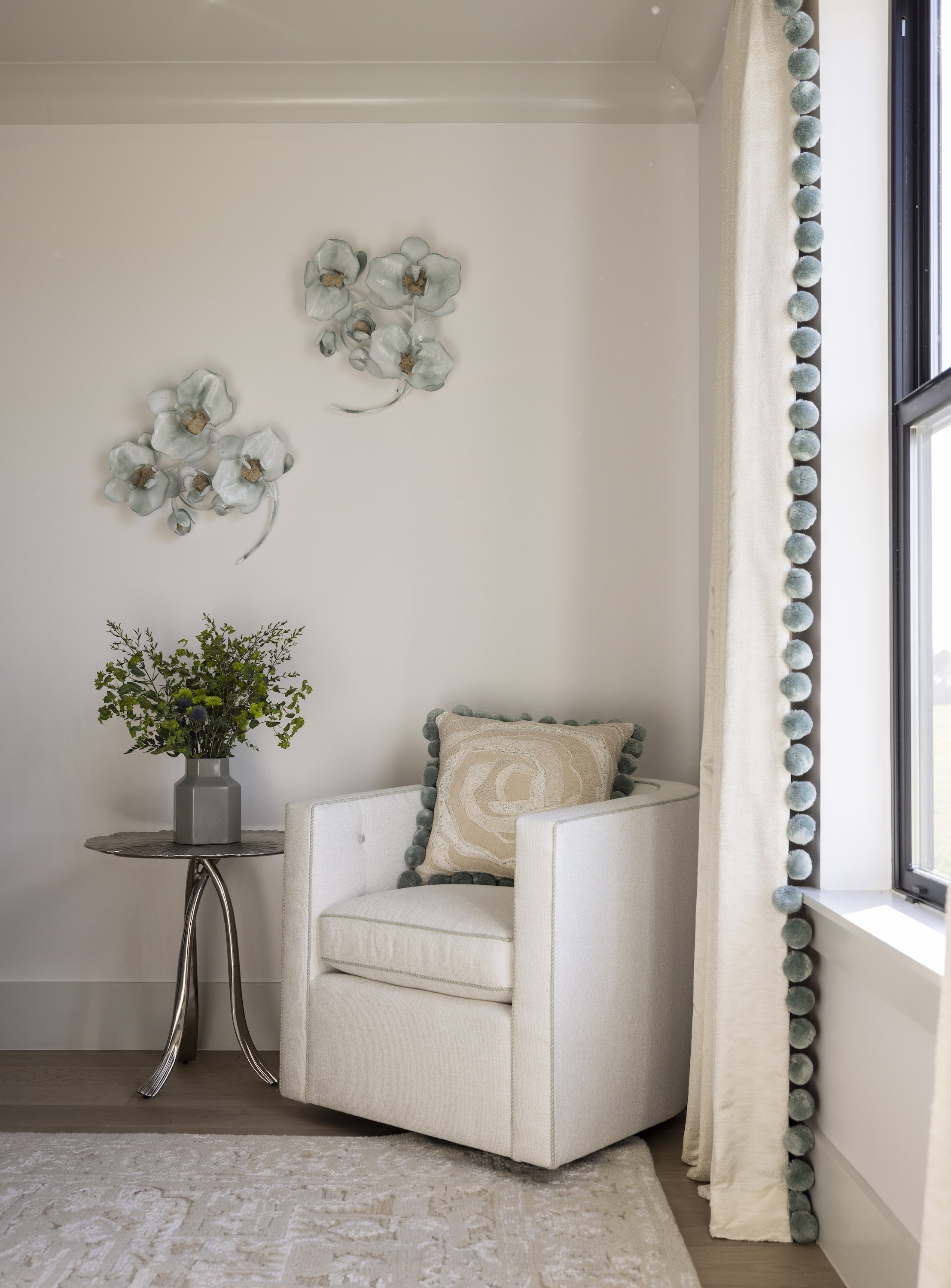
The future of interior design is deeply emotional. Clients are no longer satisfied with homes that simply look impressive. They want spaces that support their nervous systems, their routines, and their sense of peace. In 2026, the most enduring homes will be designed around how they make people feel. Grounded. Calm. Supported. This shows up in thoughtful layouts, intuitive flow, and rooms designed to serve real life rather than perfection.
Warm Neutrals and Layered Color Palettes
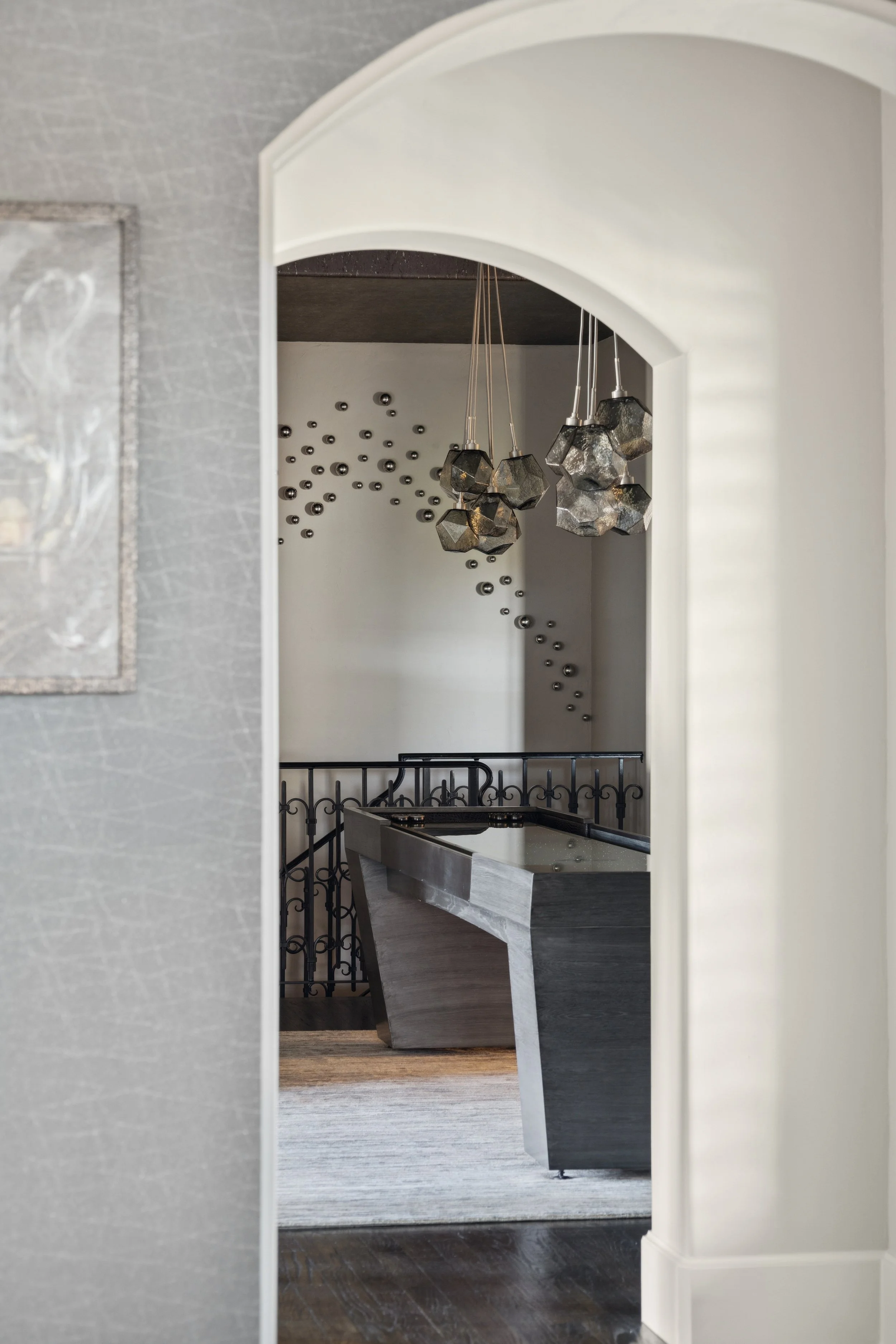
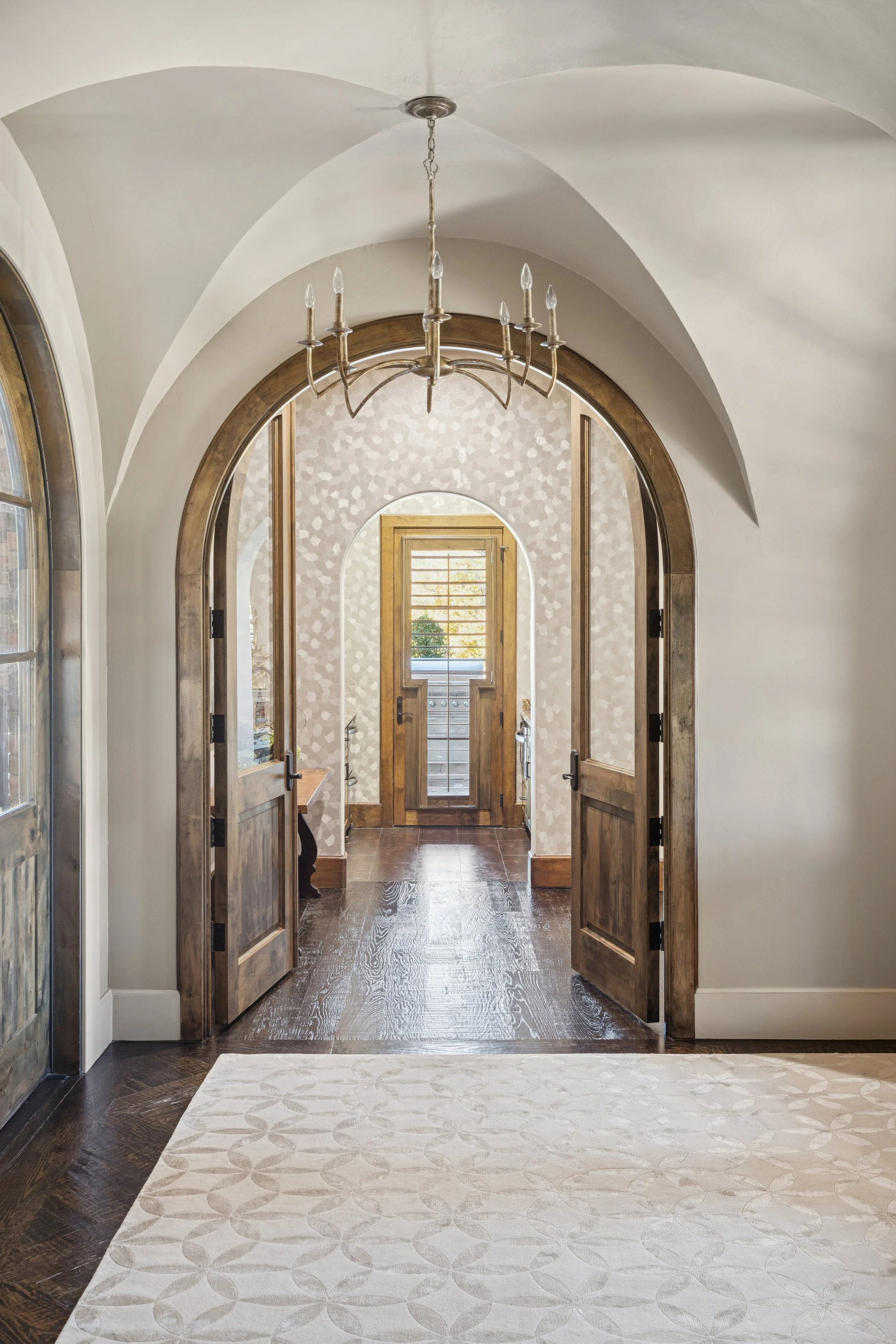
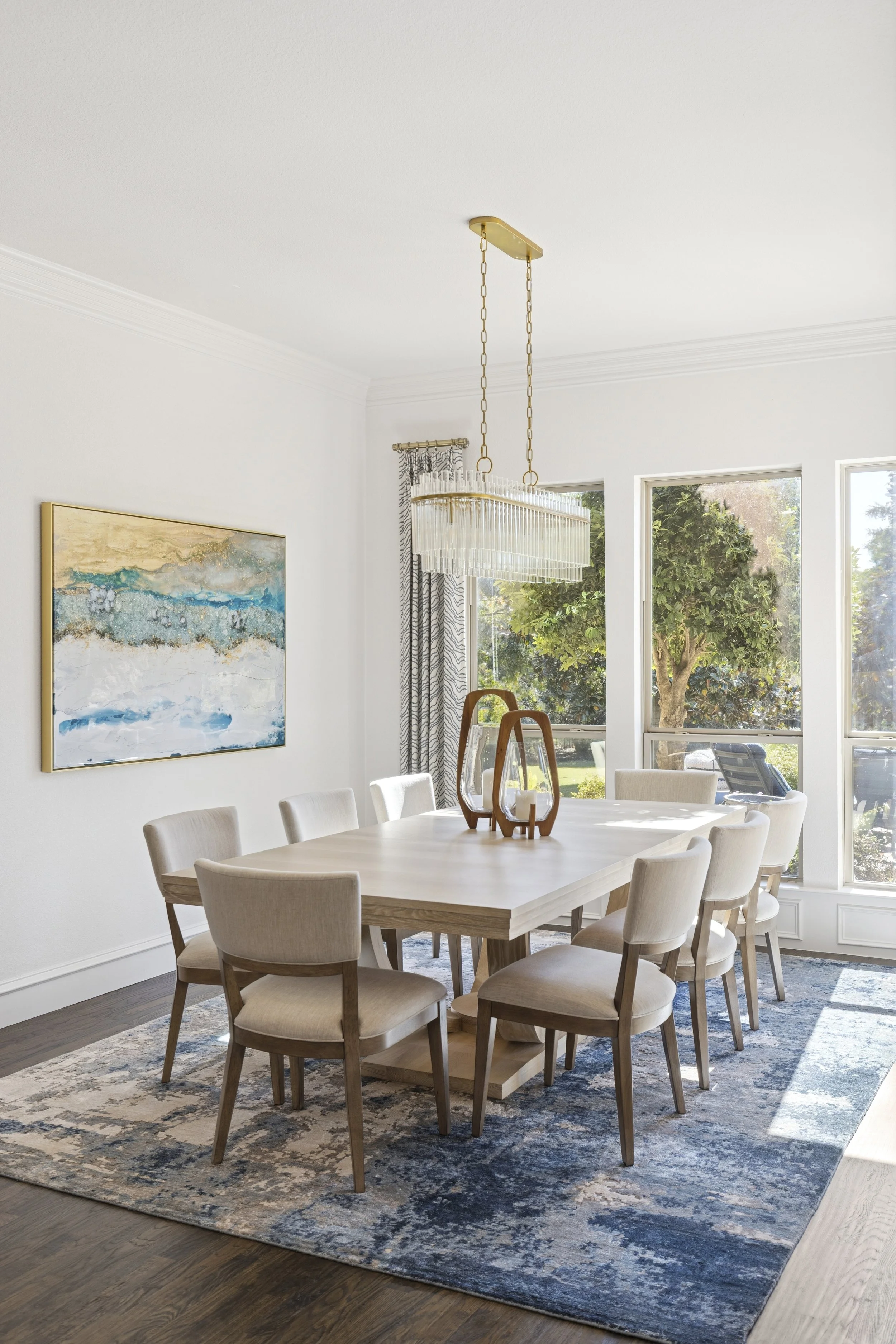
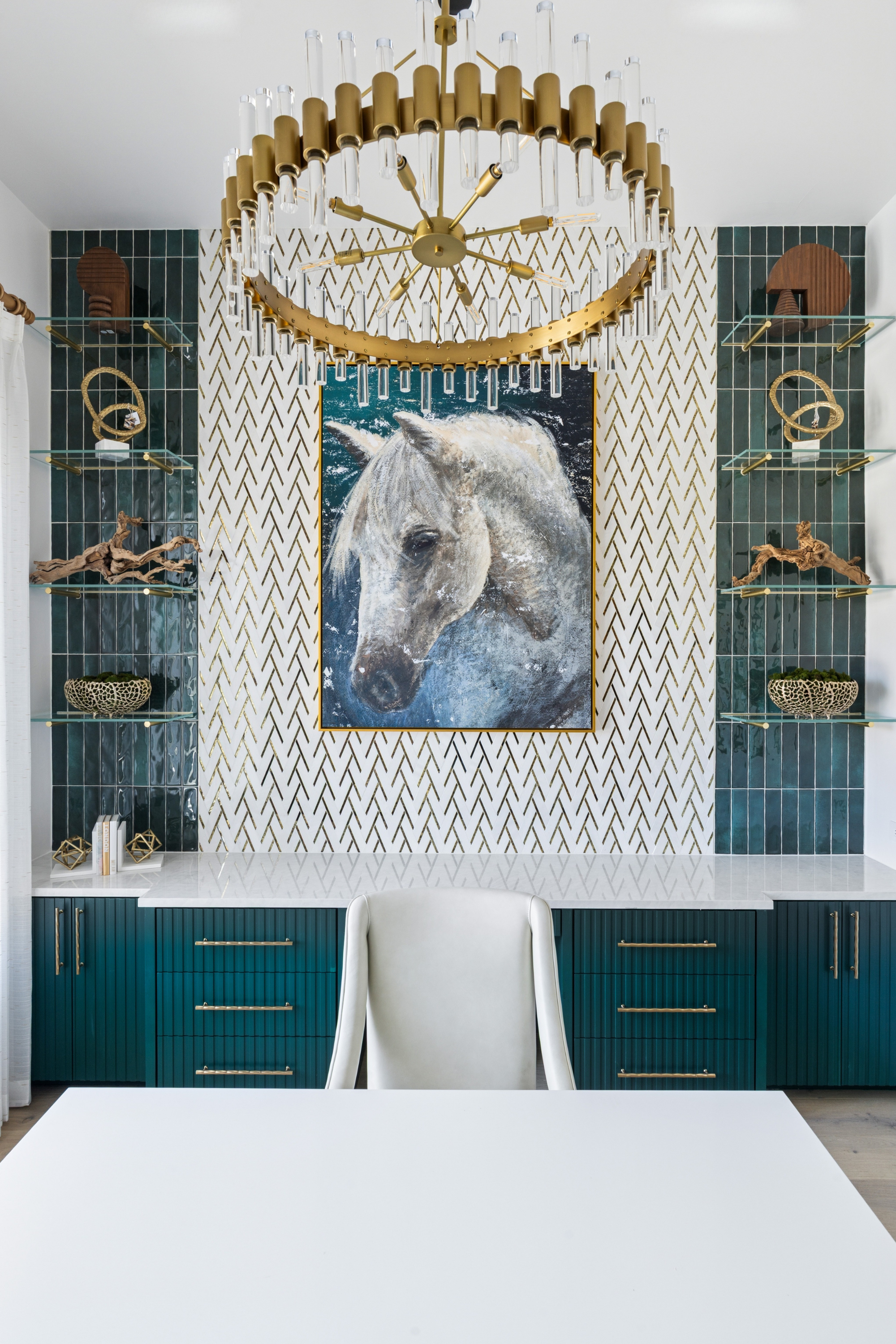
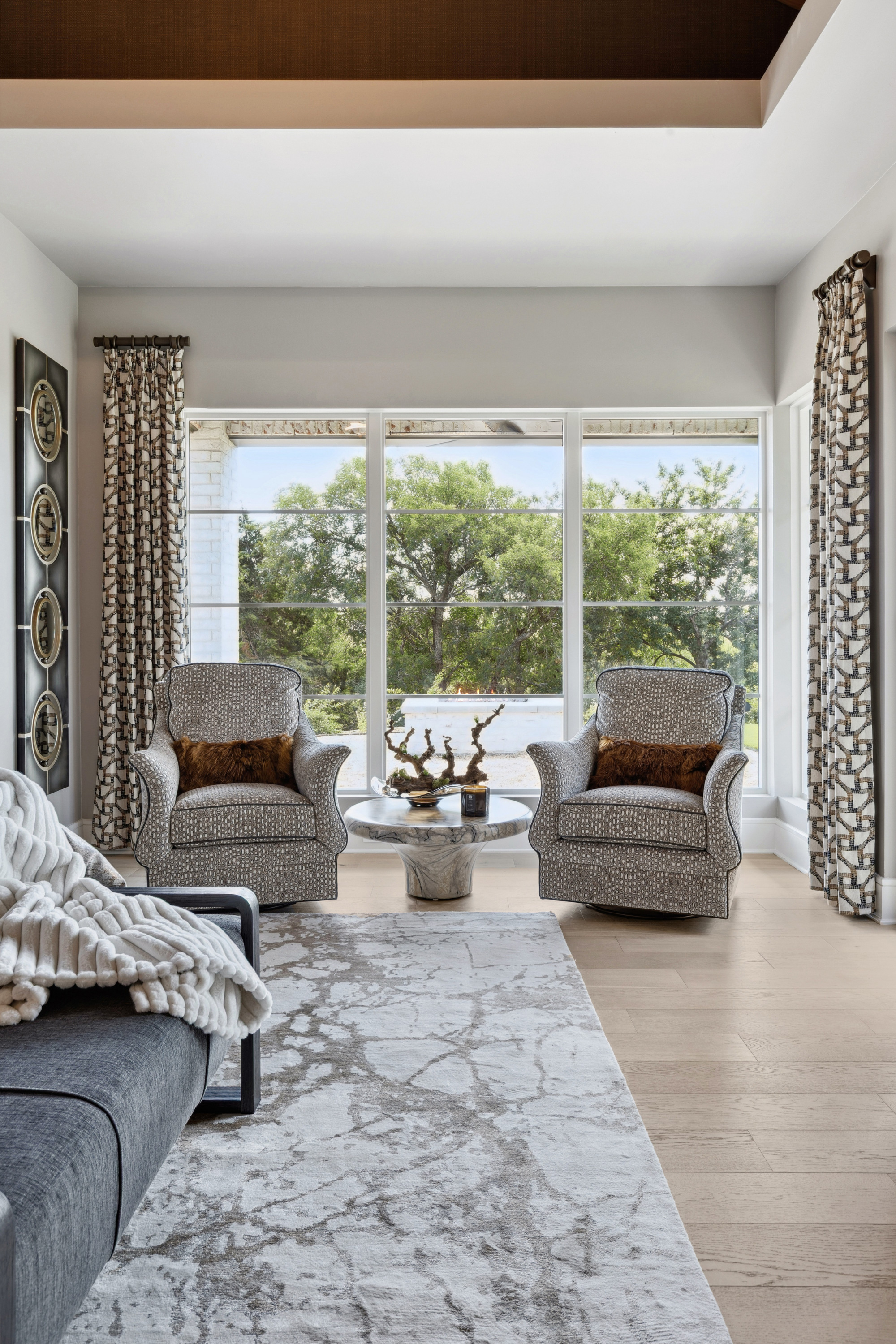
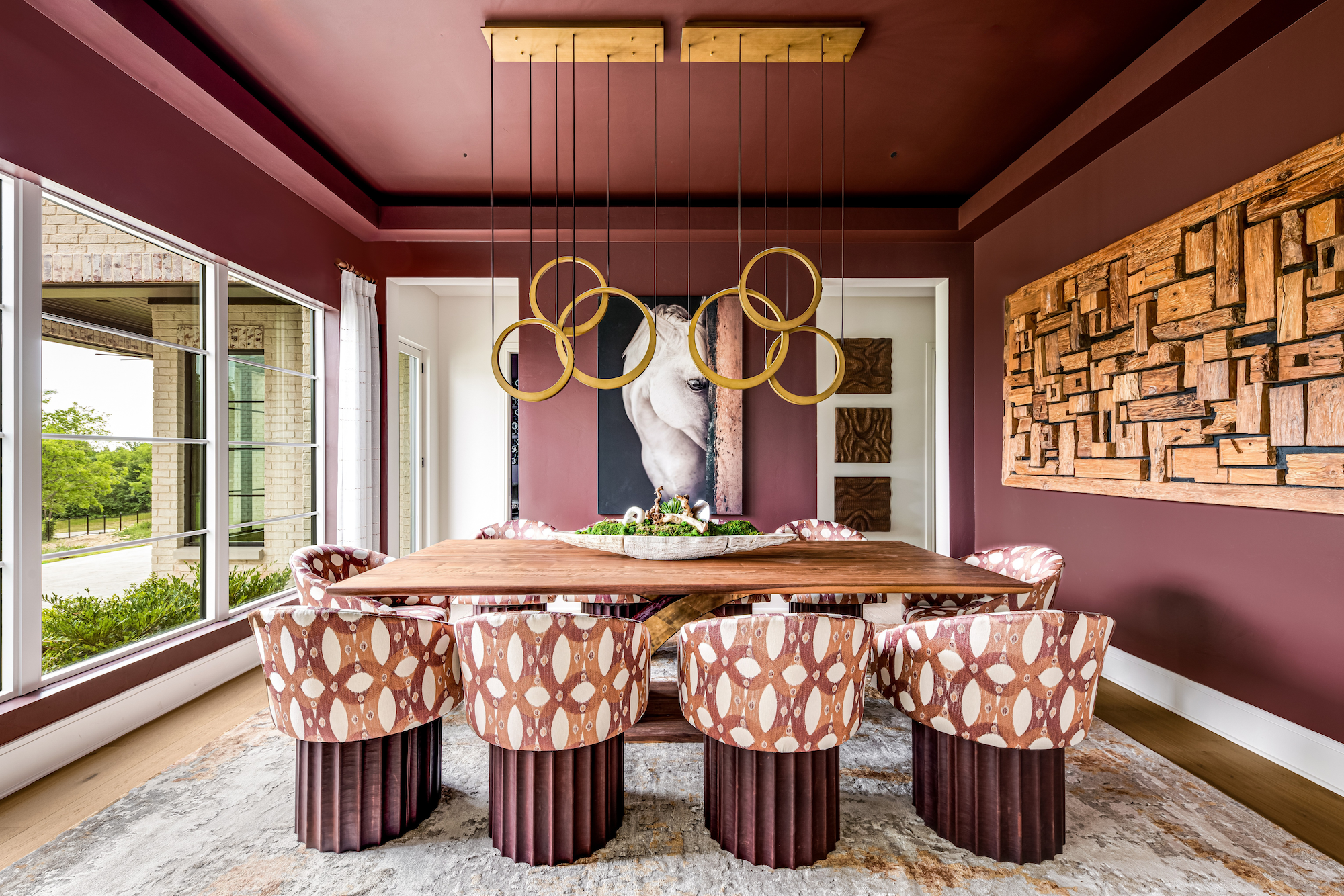
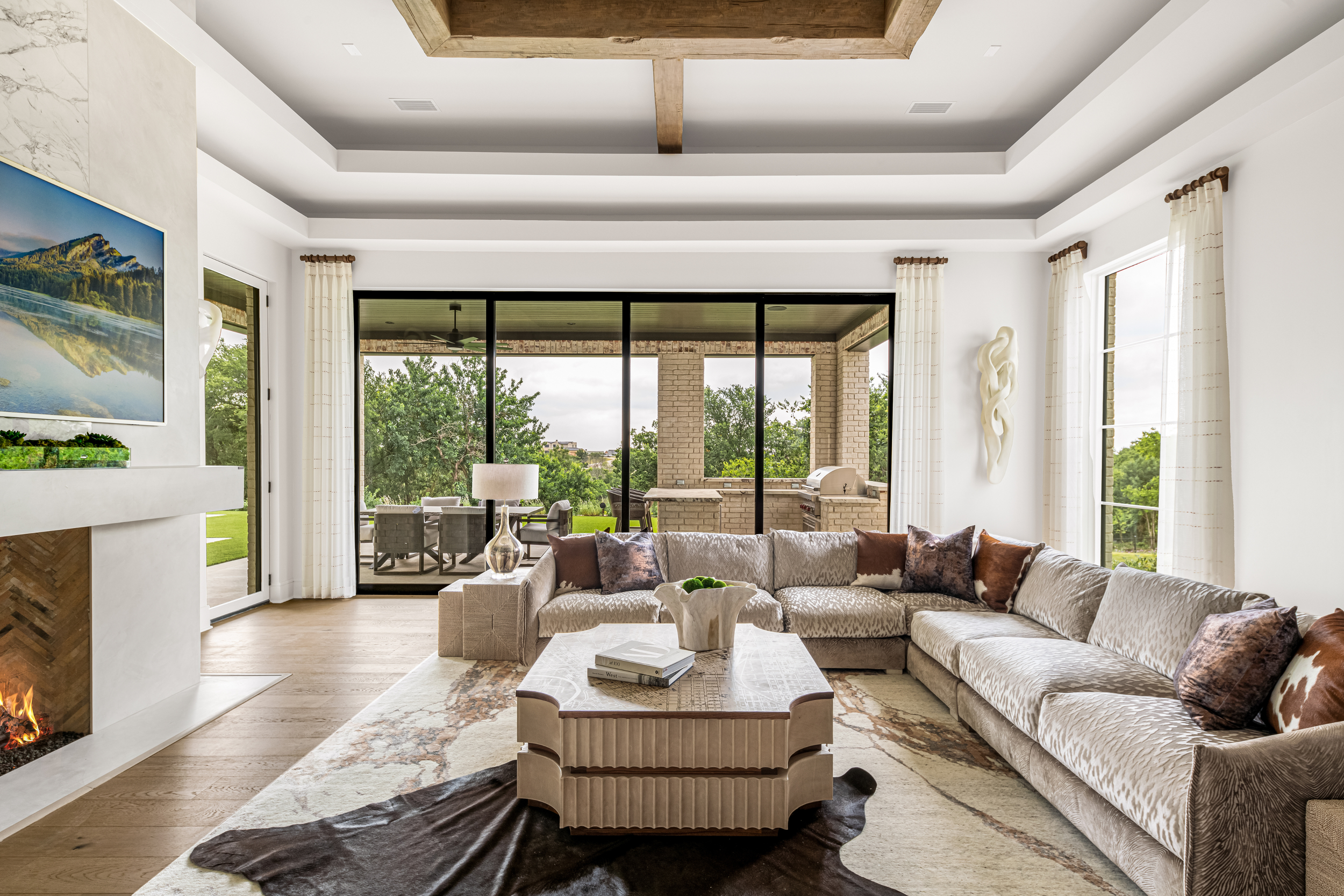
Cool, sterile interiors are continuing to fade, making room for warmth and depth. Design trends that will stay through 2026 lean into warm neutrals, earthy tones, deep browns, plums, muted greens, and layered tonal palettes. These colors endure because they come from nature. They add richness without overwhelm and create homes that feel timeless rather than trendy.
Craftsmanship as the New Luxury
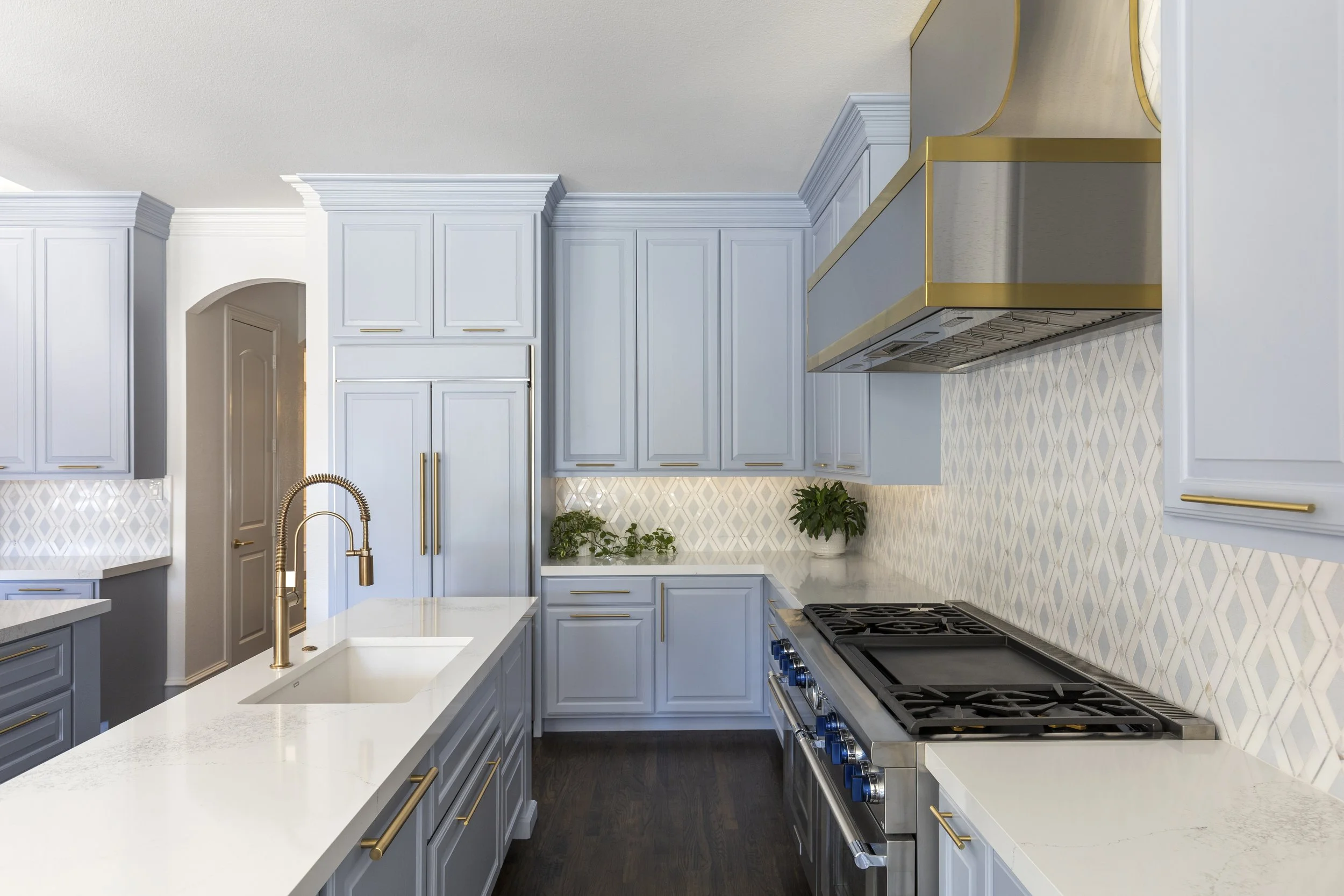
One of the most significant shifts in interior design is the renewed value placed on craftsmanship. Hand finished materials, custom millwork, fluted stone, raked finishes, and thoughtful detailing are no longer considered upgrades. They are expectations. In 2026, craftsmanship will continue to define luxury because it reflects care, intention, and longevity.
Lighting as an Experience, Not an Afterthought
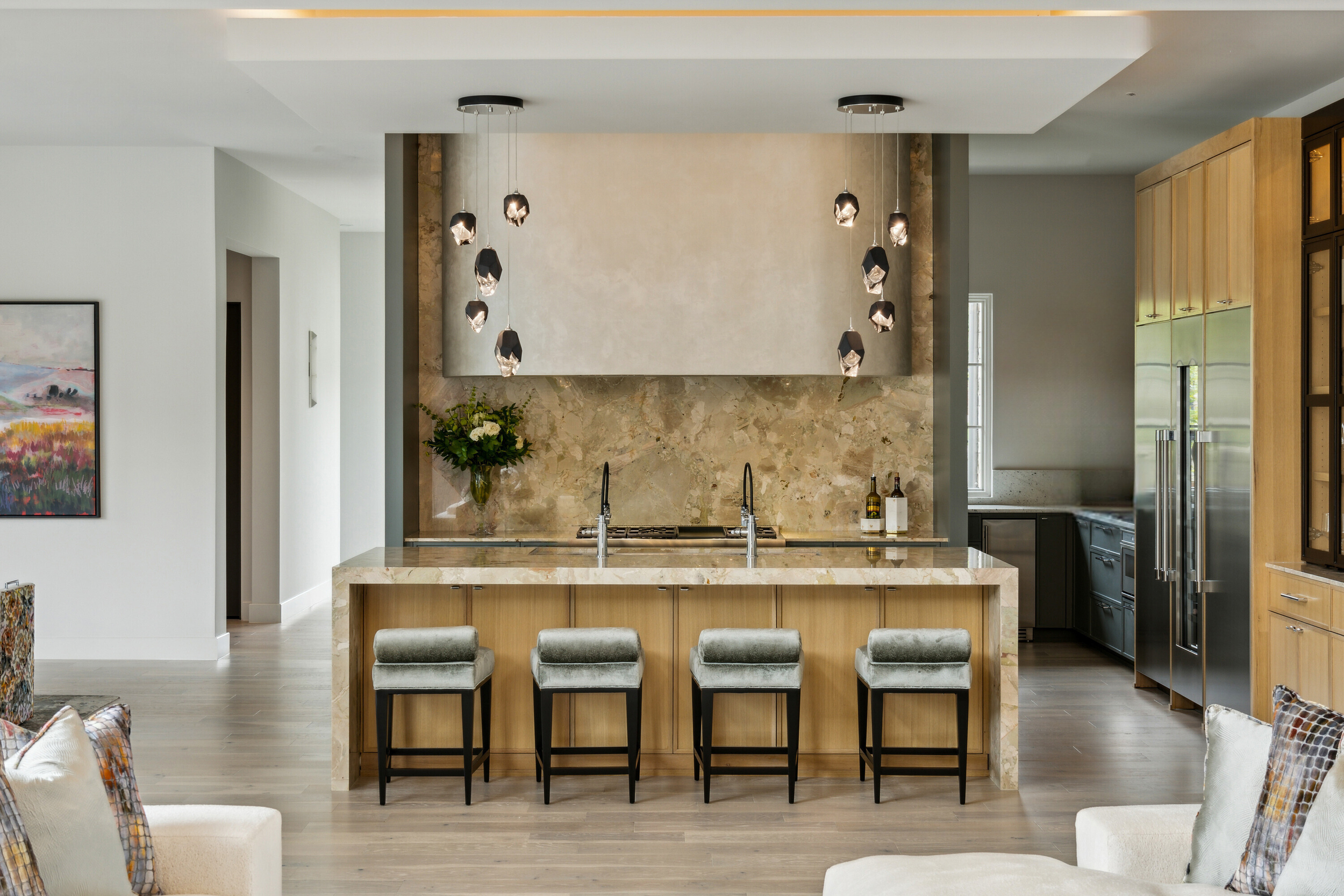
Lighting remains one of the most powerful and underestimated tools in interior design. The future favors layered lighting plans, sculptural fixtures, statement pendants, and intentional lamp placement. The goal is not brightness alone. It is warmth, rhythm, and mood. Homes that feel alive are almost always homes where lighting has been thoughtfully designed.
Homes Designed for Gathering and Connection
Another design trend that is here to stay is hospitality driven living. Kitchens designed for lingering. Dining rooms meant to be used often. Living spaces that invite conversation rather than formality. In 2026, homes will continue to prioritize connection over perfection, reflecting a deeper desire for togetherness and shared experience.
Technology That Creates Ease, Not Distraction
Smart home technology will continue to evolve, but the future of interior design favors restraint. Automated drapery, integrated lighting, climate control, and sound systems work best when they quietly support daily life. In the homes we design, technology exists to remove friction, save time, and create ease without becoming the focal point.
Personalization Over Trends
Perhaps the most lasting design trend of all is the move away from imitation. Clients are increasingly drawn to homes that reflect their lives, values, and stories rather than what they see online. Custom art, meaningful collections, bespoke furnishings, and layered textures will always outlast trends. In 2026 and beyond, individuality will continue to define true luxury.
As we look toward the future of interior design, my philosophy remains unchanged. Design should serve the people who live inside it. It should support their rhythms, reflect their values, and create space for generosity and connection.
Trends may shift, but purpose endures.
And that is what will always stay.